
TechLeap India

Our Approach

We take a strategic, evidence-driven approach to philanthropy, focusing on funding solutions that have already proven effective in breaking cycles of poverty through education.

By the Numbers

73%

Of 3rd grade students are already behind a grade level.

50%

Of students drop out before 10th grade.

73%

Of students do not make it to college.
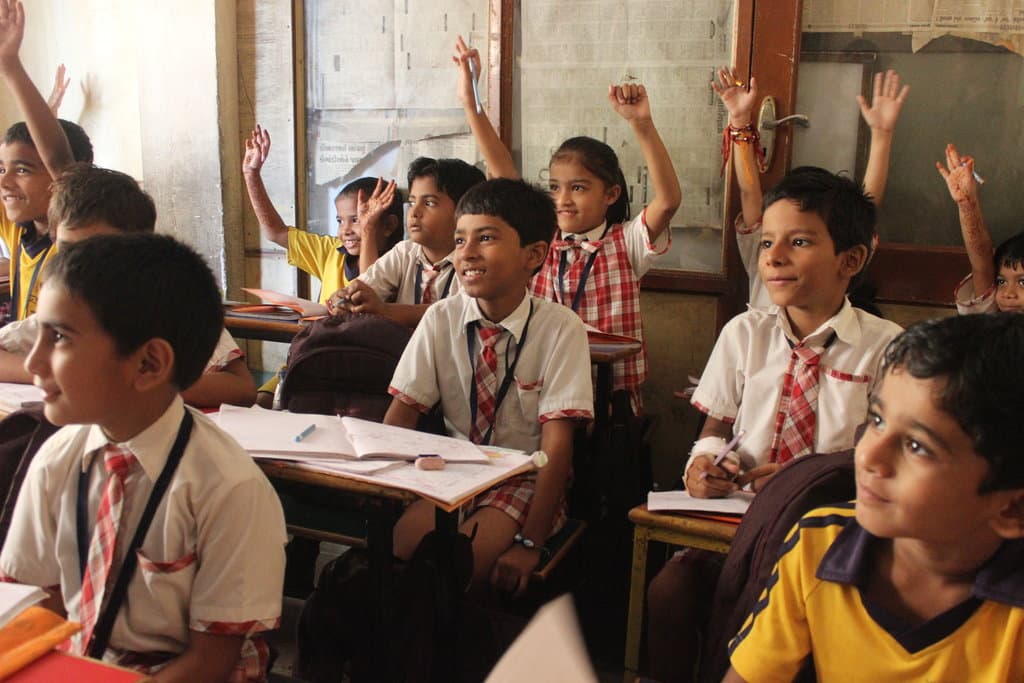
Children in classroom

We partner with high-performing, locally led organizations that demonstrate measurable improvements in student learning and post-school opportunity. Rather than building programs from scratch or imposing a single model across diverse contexts, we deploy targeted grants to help proven partners scale effective interventions and translate educational progress into durable economic mobility for under-resourced students.

OUR

APPROACH

01

Investing in proven impact

We deploy targeted grants to high-performing, locally led organizations that demonstrate measurable improvements in student learning and opportunity. Our funding prioritizes programs with clear evidence of effectiveness and a credible link between education and long-term economic outcomes.

02

Accountability by design

A clear scope, defined deliverables, and structured reporting govern every TechLeap India grant. We require financial transparency, program updates, and outcome-focused reporting to ensure capital is used as intended and to support continuous learning across our portfolio.

03

Education as a pathway, not an endpoint

We fund programs that strengthen learning while helping students translate education into real-world opportunity. Whether through improved instruction, access to higher education, or skill development, our focus is on enabling durable economic mobility beyond the classroom.

04

Targeted growth, not one-size-fits-all scale

Rather than imposing uniform solutions, we support partners in expanding effective interventions where they are most impactful. Our approach recognizes that lasting progress comes from strengthening what already works within specific communities and contexts.

Poverty is generational,
education can break the cycle.